
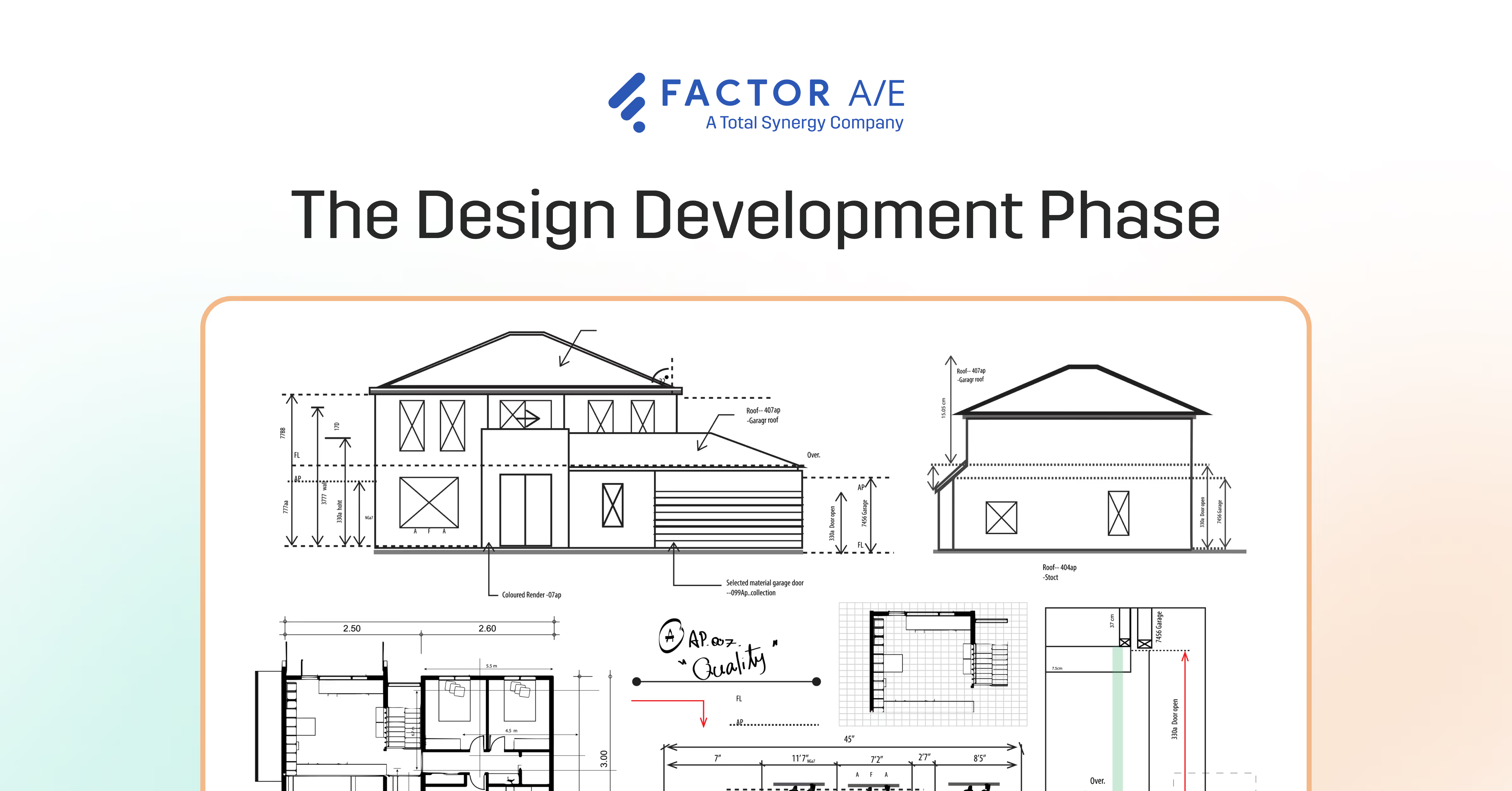


The design development phase is a critical control point for architectural projects. It’s where architectural intent meets technical reality, with decisions carrying real financial and construction consequences.
When DD isn’t actively managed, iteration accelerates, consultant coordination stretches on, and hours are burned faster than planned. The work looks productive, but margins erode and downstream risk increases.
This in-depth guide explains the key aspects of the design development phase, including deliverables, pain points, and practical ways to keep projects under control with purpose-built software.
What is Design Development in Architecture?
Design Development (DD) is the second major phase of the architectural design process, following schematic design (SD). It transforms an approved concept into a coordinated, technically viable design.
While schematic design defines the overall vision, DD tests, refines, and aligns that idea with real-world systems, dimensions, materials, and construction requirements.
Architects, designers, and consultants collaborate to produce design development documents. This includes architectural drawings that integrate floor plans, mechanical, electrical, plumbing (MEP), and structural systems.
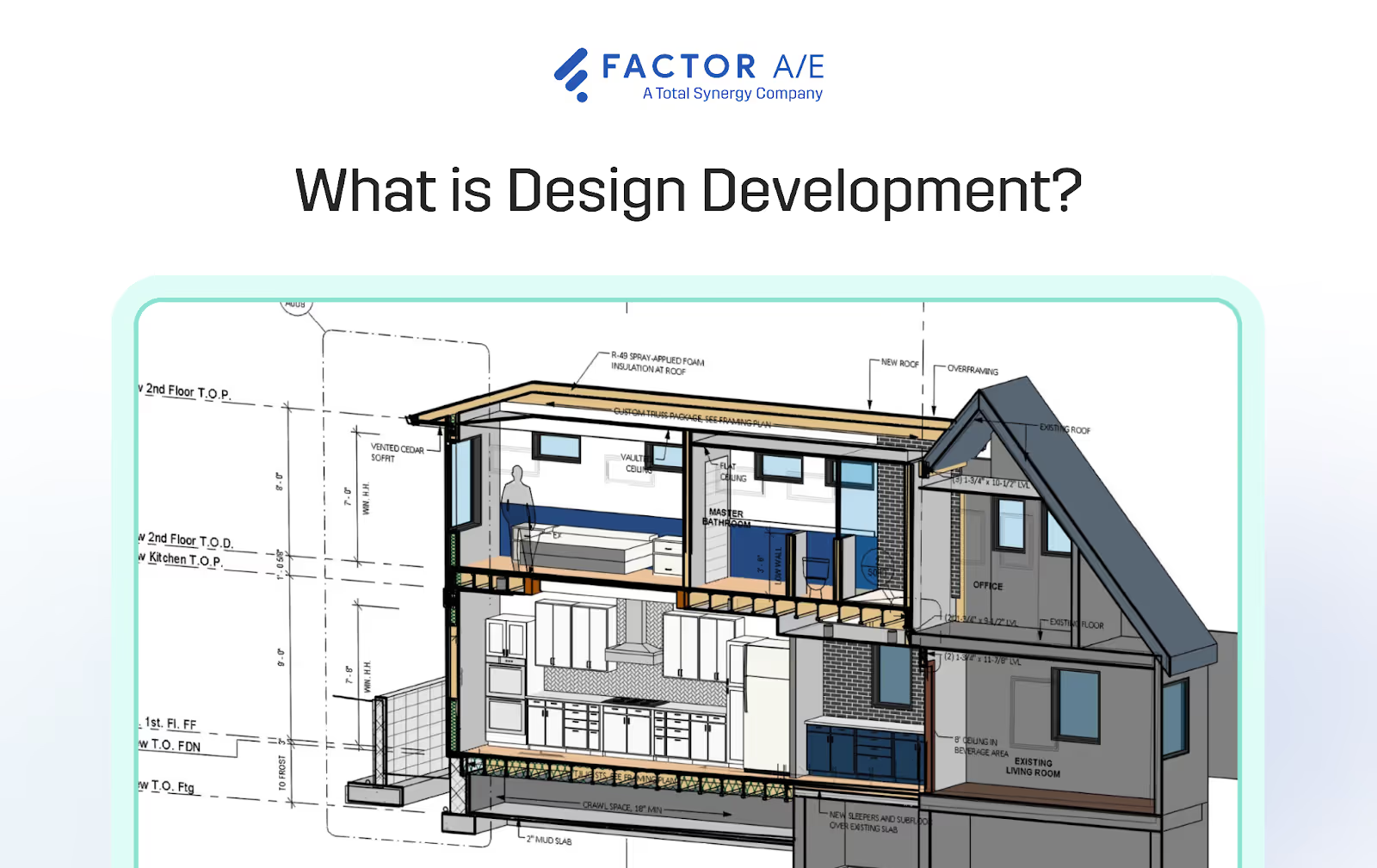
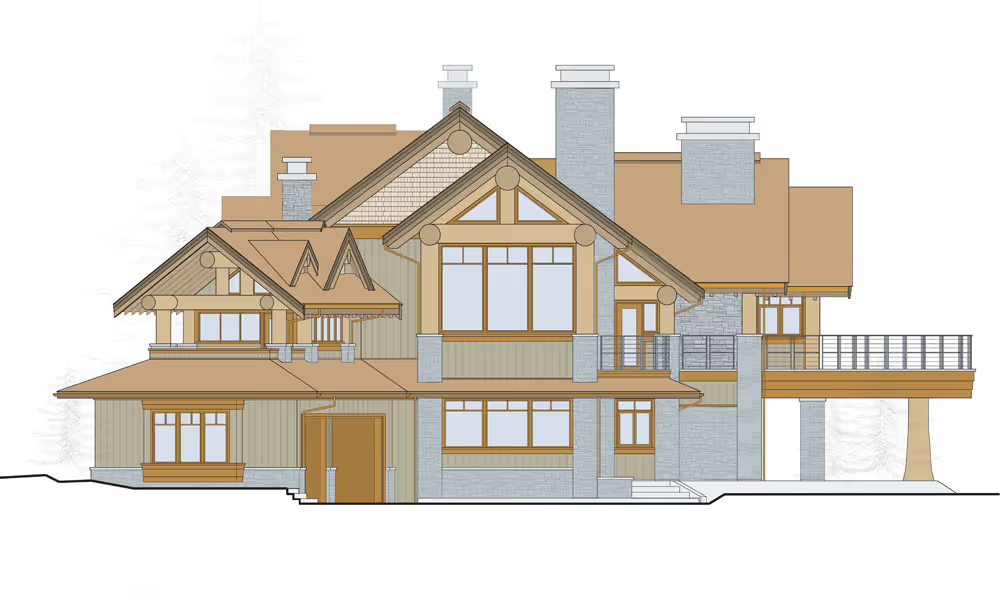
Here’s an example of a design development drawing from Mangan Group Architects that shows detailed layouts, specifications, colors, textures, and materials for each section of the house. The design is no longer conceptual. It is actively being resolved.
DD documents are not as exhaustive as construction documents (CD), but they include enough detail to resolve key technical and coordination decisions so the project can move forward confidently. They may also support approval processes for a building permit.
From a financial and operational perspective, DD typically accounts for about 20% of the total project fee and spans four to eight weeks. And as the design becomes more interdependent, decisions carry greater weight.
Consultant coordination also intensifies during DD as the phase often involves multiple internal teams and external consultants. Changes that were relatively simple during schematic design now require coordinated, planned revisions, and mistakes are significantly more expensive to reverse.
Key Deliverables in the Design Development Phase
The design development documents confirm that the design can be built while aligning with budget and performance expectations. Each deliverable adds to technical clarity while reducing downstream risk. Here’s what architecture firms typically deliver during DD:
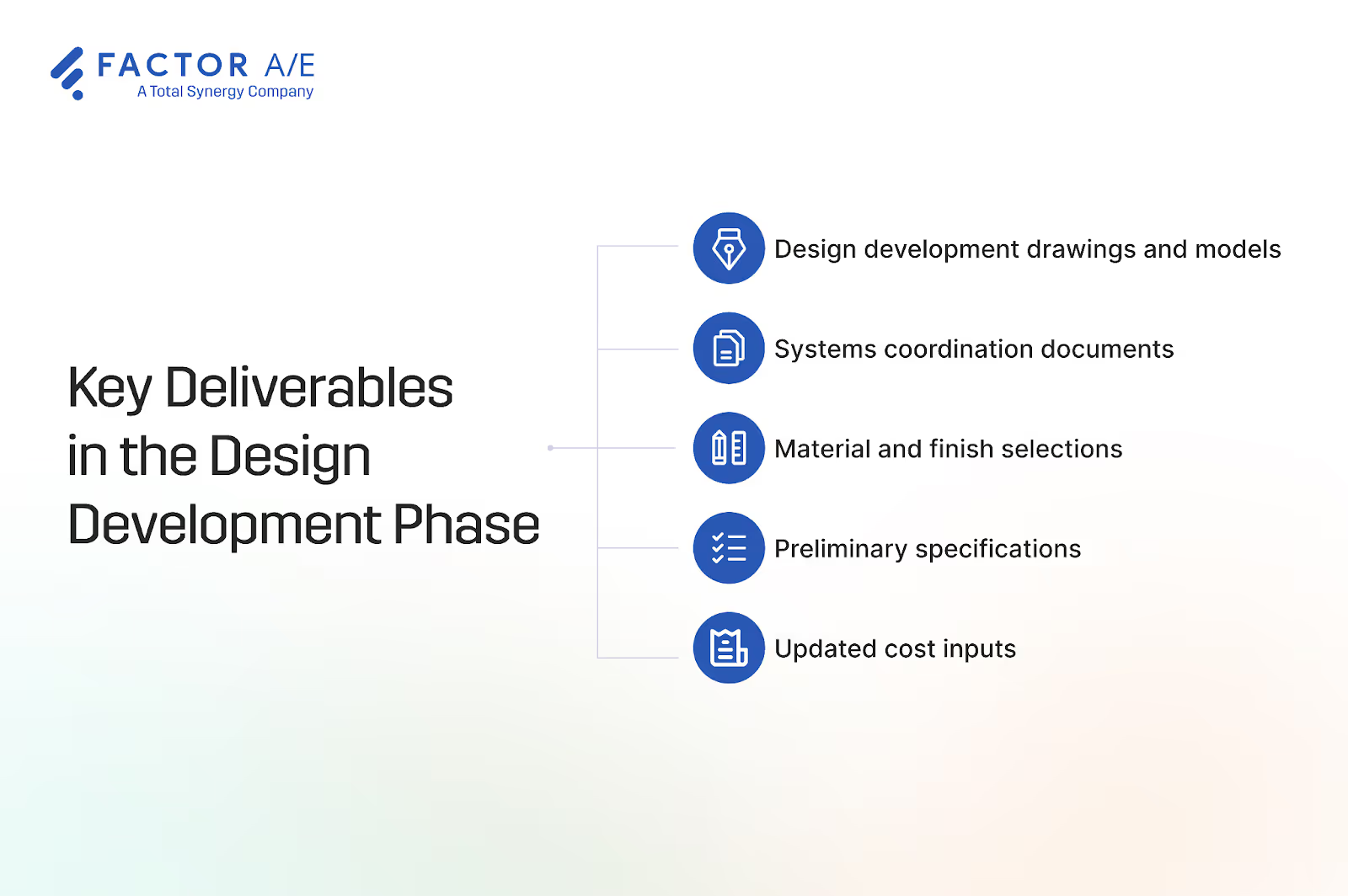
1. Design development drawings and models
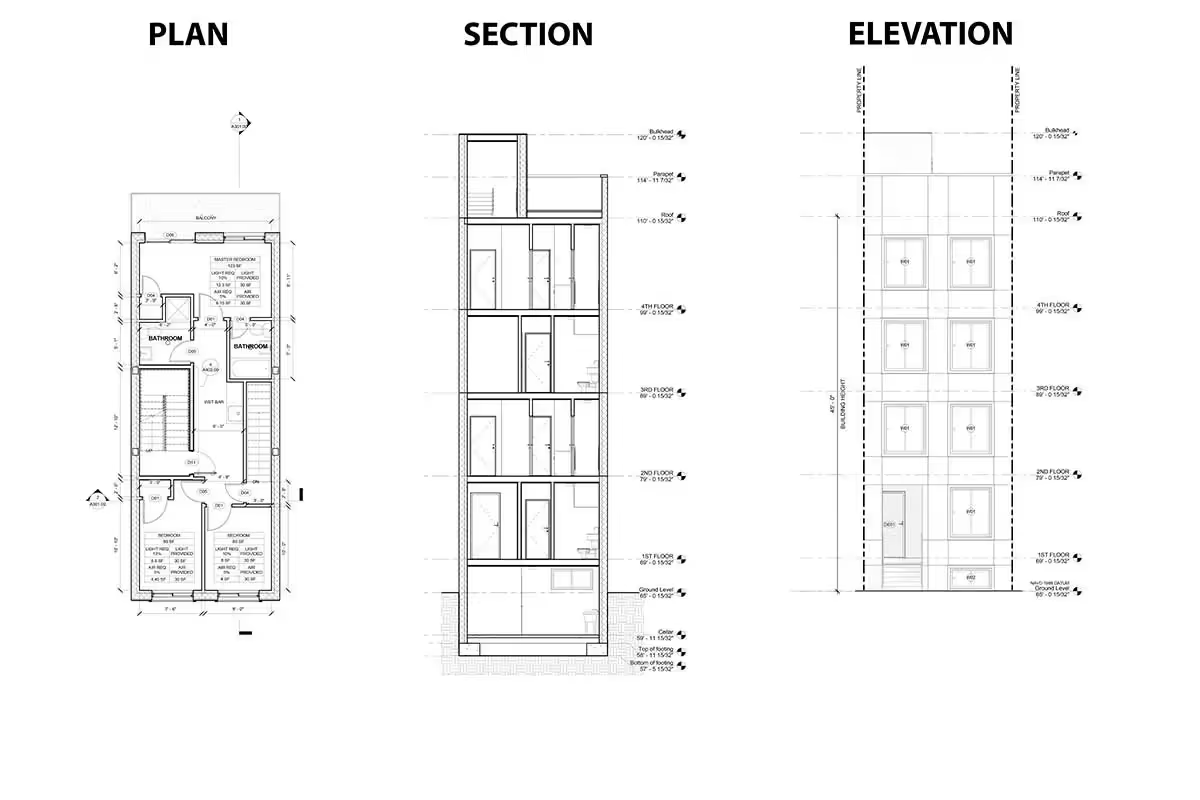
DD drawings translate approved schematic design concepts into coordinated, dimensionally accurate documentation. These drawings and models serve as the backbone of coordination during the DD phase and form the basis for consultant input and client review.
During the design process, teams update floor and site plans, sections, and elevations to reflect precise layouts, defined assemblies, and refined spatial relationships. Here’s a great example from Fontan Architecture that shows different types of DD drawings:
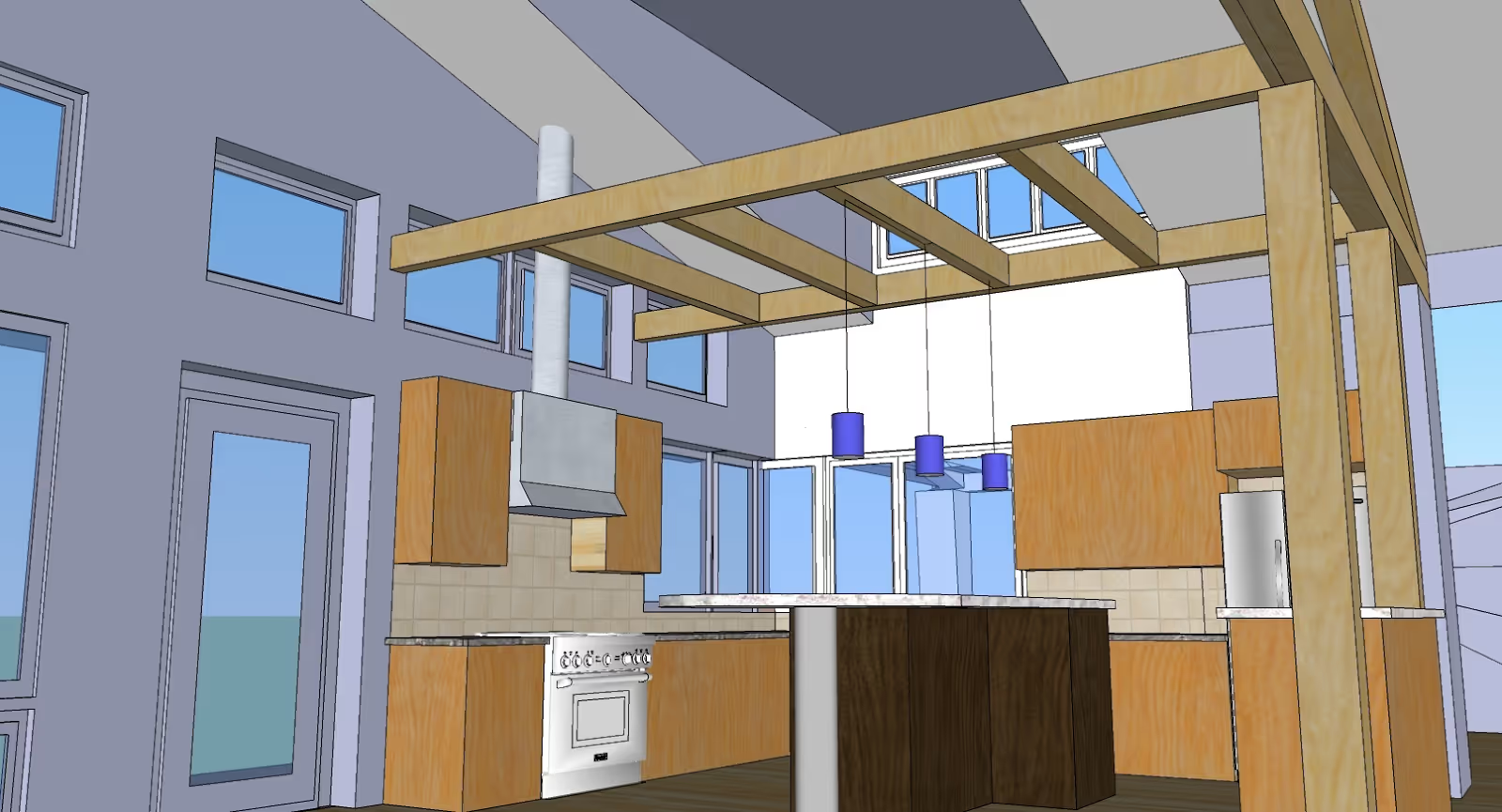
As the design progresses, integrated BIM or 3D models evolve in parallel, reflecting structural systems and spatial constraints. Teams work on spatial coordination and complete early clash detection to identify conflicts before they become costly revisions.
A 3D model, like the example from Lawrence and Gomez Architects below, can improve communication and speed up approvals as consultants and clients gain a clearer understanding of how systems interact within the architectural framework.
2. Systems coordination documents
These documents ensure that all building systems can work together without conflict. They include integrated layouts that show structural framing, MEP routing, envelope systems, and life-safety elements in a cohesive, functional system.
Project teams resolve major coordination issues, such as shaft locations, ceiling heights, and equipment zones. They also verify compliance with building codes, maintenance zones, and any other regulatory requirements.
Addressing these problems during design development reduces Request for Information (RFI) processes and redesign during construction documentation.
3. Material and finish selections
DD replaces conceptual placeholders with specific material and finish selections. Teams evaluate durability, availability, constructability, and cost implications for the building project. They produce renderings that illustrate textures and compositions, like in the example below from Dean Kallweit Architect.
Clients use these renderings to understand, review, and approve primary material decisions that directly influence cost and schedule.
4. Preliminary specifications
DD documents include preliminary or outline-level specifications that define performance expectations for major building systems and materials. They establish structural criteria and interior quality standards while providing a basis of design for consultants and future contractor pricing.
5. Updated cost inputs
The DD phase validates design decisions against budget realities. Project teams identify high-risk or high-cost elements, adjust scope, update construction cost estimates, and generate data to support informed client decisions before moving into the construction documents phase.
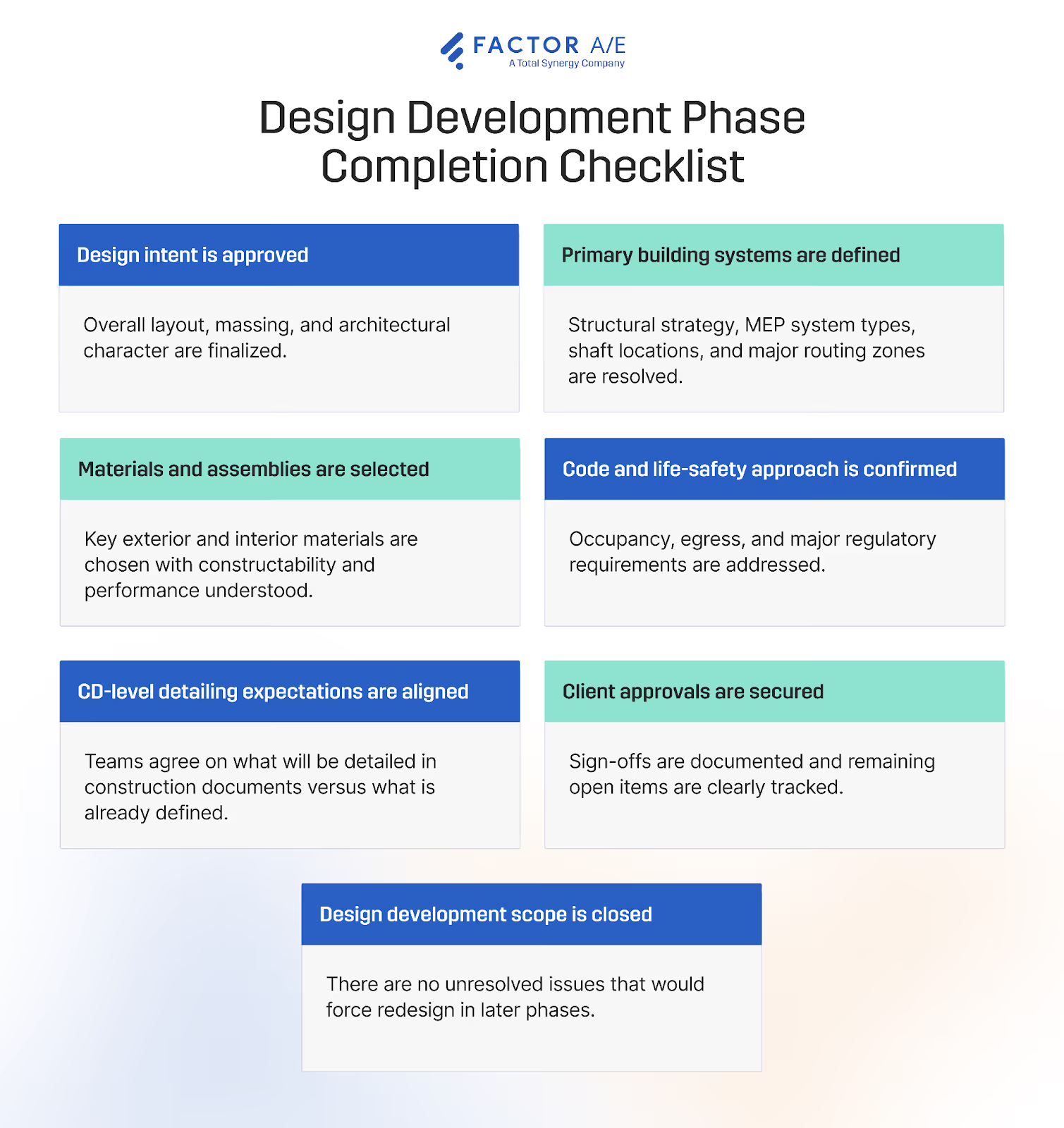
Here’s a useful checklist to help you understand desired DD outcomes:
3 Key Mistakes That Derail Design Development
While design development documents may look like “more detailed drawings,” the real work of the DD phase is decision-making, with the cost of indecision or poor choices increasing rapidly at this stage.
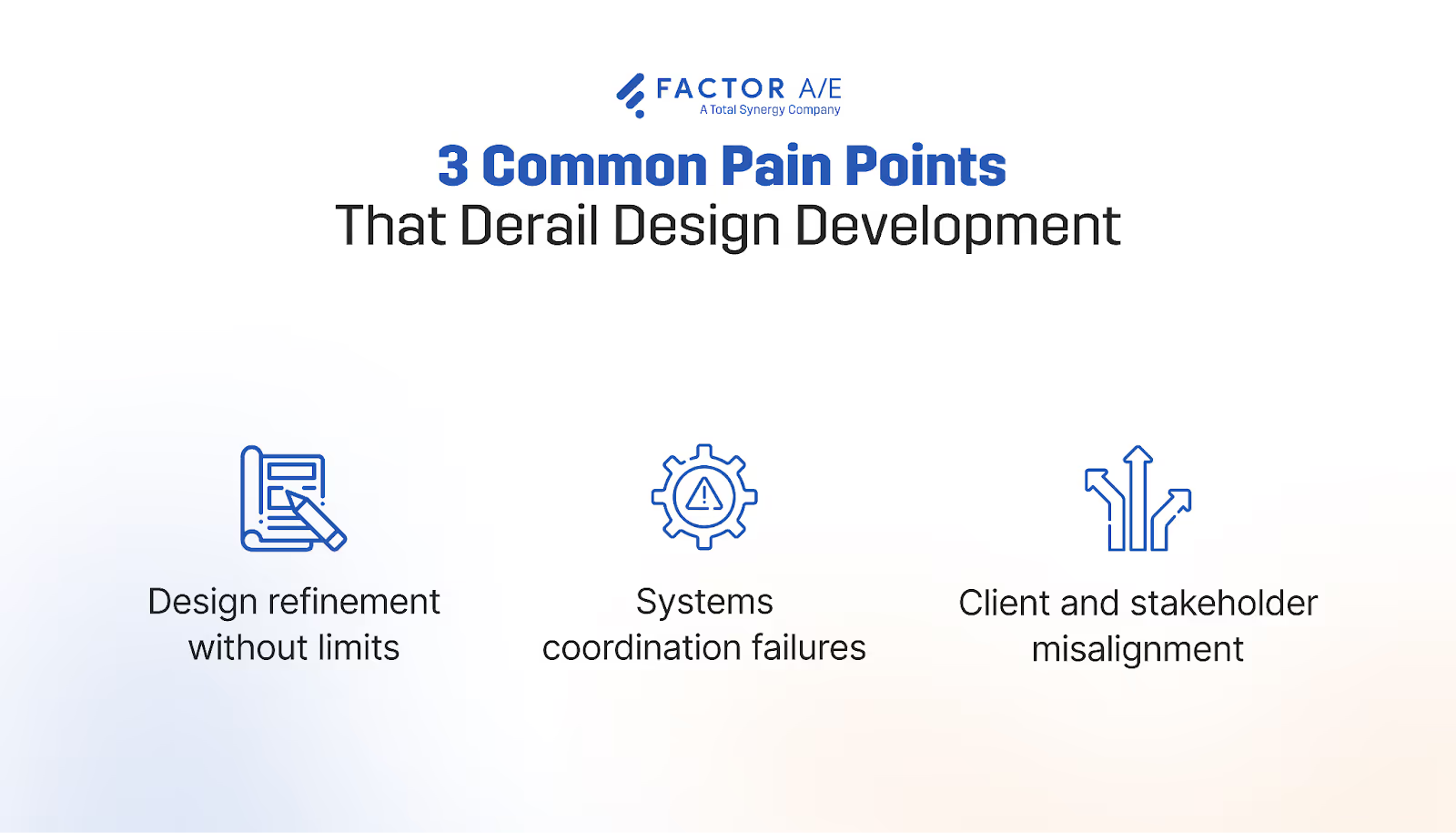
When firms struggle in DD, it’s often because of breakdowns in scope control, coordination, and visibility. Here are three common mistakes that tend to derail the phase:
1. Scope creep disguised as design refinement
Iteration is expected in DD, but without clear boundaries, it accelerates beyond what the fee supports. What begins as refinement or coordination often expands in scope as teams explore additional options, rework details multiple times, and reopen design questions without clear approval or documentation.
Scope creep and overruns rarely feel dramatic when they’re happening. Hours and fees burn gradually as operational leaders miss early warning signs because the work looks productive. Project managers and principals only realize the phase is over budget when they review invoices.
This problem is exacerbated when architecture design, time tracking, project management, and accounting software are separate and don’t talk to each other. There’s no clear connection between tasks, effort, and fee consumption, so firms operate with blind spots. They end up with overworked design teams that are actually a symptom of deeper scope and coordination problems.
2. Systems coordination failures
During the DD phase, structural drawings, MEP systems, building envelopes, and life-safety requirements are integrated into a single, coordinated solution.
When firms rely on unstructured workflows, DD coordination breaks down. Consultant input arrives late or incomplete, or key decisions get buried in email threads or informal meetings. So, they end up with conflicts and redesign, with each revision rippling across multiple drawings and models, hurting schedules and budgets.
And if these failures aren’t resolved before DD ends, then uncoordinated systems are pushed into the construction documents. This can result in RFIs, change orders, redesign, and other problems that are significantly more expensive to fix once contractors are involved.
3. Client and stakeholder misalignment
Design development is a critical approval phase. Clients and stakeholders review refined designs, system strategies, and material selections, expecting that major decisions are being finalized.
When architects, consultants, and clients operate with different definitions of what’s “approved” or “resolved,” firms struggle with:
- Delayed client or internal sign-offs stall progress while teams continue refining details.
- Design exploration that continues well past what the fee supports, often without clear approval or documentation.
- Partially resolved decisions create uncertainty about what will move into the construction documents phase.
Unresolved decisions and misaligned stakeholders resurface during construction documents. Late-stage changes triggered by incomplete DD decisions compress schedules, increase documentation workload, and strain client relationships.
These three missteps share one common thread: a missing connection between progress, effort, and cost. Firms can’t manage the DD phase proactively without real-time visibility into hours, fee burn, and staffing. What appears to be steady progress can quietly undermine profitability and coordination.
How Architecture-First Software Helps You Better Manage Design Development
In the schematic design guide, we outlined the core steps for setting up and managing design workflows in Factor. You can build on that framework and adapt it to the increased complexity and risk of design development. Here’s how to address the specific challenges that arise during the DD phase.
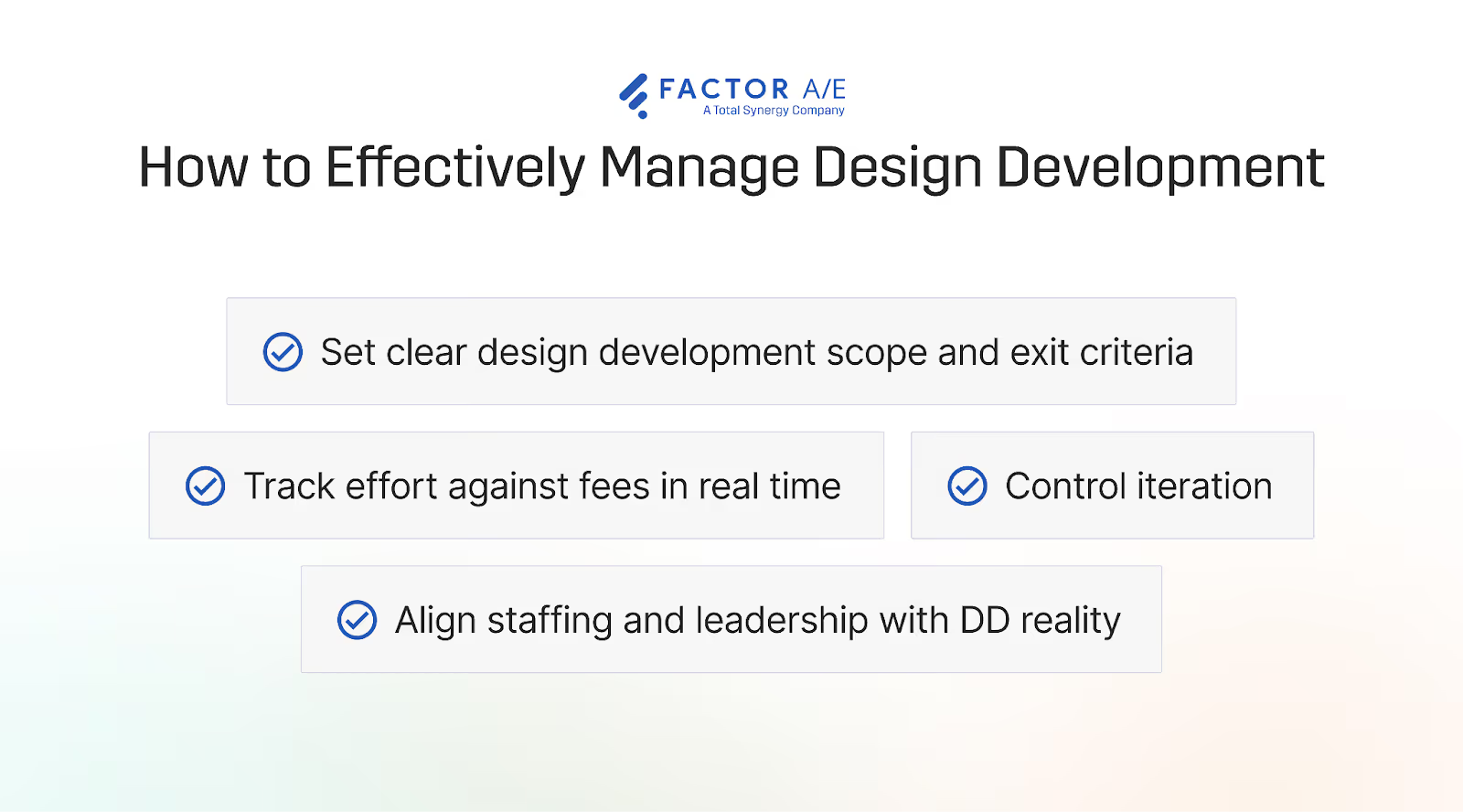
1. Set clear design development scope
Effective DD management begins with alignment. Firms and clients must clearly define which decisions will be finalized, what level of detail is required, and what will be deferred to construction documents.
Factor’s phase-based project management supports this discipline by enabling you to create and manage structured workflows with defined milestones, timelines, scope, deliverables, and budgets at the phase level.
Project managers can set goals and deadlines specifically for DD drawings, systems coordination, and approvals, rather than trying to customize and navigate generic PM tools to fit A&E project workflows.
With Factor, PMs, owners, and clients can understand what “complete” means for each DD deliverable, creating a clear operational boundary for the phase.
2. Track effort against fees in real time
DD problems often emerge after the allocated fee has been exceeded. To prevent this, firms need live insight into effort as work happens.
Factor provides instant budget updates, giving project managers visibility into burn rate, percent complete, and remaining fee. Instead of waiting for end-of-month reports, leaders can see financial performance as DD progresses.
Leaders and managers can also act early to protect budgets and margins using insights from real-time dashboards that consolidate project health indicators. For example, if coordination is delayed, project managers can adjust staffing and timelines while also resetting client expectations.
3. Control iteration
Iteration is essential during design development, but unmanaged iteration is expensive. The key is to distinguish between necessary design resolution and additional scope.
Factor makes the cost of iteration visible by linking tasks, hours, and budgets in The Pulse, a unified, real-time project dashboard. The Pulse lets firms instantly understand the impact of even the smallest changes on the overall project.
So, they can decide if revisions or redesign can fit within the allocated fee and timeline, or if they need to discuss scope adjustments with the client.

These updated insights also lead to collaborative, goal-specific client conversations, as teams can instantly show the time and budget implications of changes, rather than relying on outdated calendars or spreadsheets.
4. Align staffing with DD reality
Design development requires senior oversight to make complex coordination decisions. However, over-reliance on principals and senior architects can quickly erode margins if not planned intentionally.
Effective DD management balances expertise with efficiency. Senior leaders focus on high-value decision points, while well-structured teams handle detailed documentation and coordination tasks.
Factor’s resource scheduling tools provide real-time visibility into team workloads, capacity, and upcoming demands. PMs and leaders gain insights to forecast staffing needs and proactively redistribute workloads to prevent bottlenecks.
This proactive planning can also reduce burnout, increase accountability, and protect profitability during one of the most demanding project phases.
When firms use a connected and structured approach, DD becomes predictable and controlled. Teams enter construction documents with resolved systems, approved materials, and aligned stakeholders. For a deeper look at how to successfully manage the next phase, explore our detailed guide to construction documents.
Simplify Coordination During Design Development With Factor
The design development phase is where projects either gain clarity or go off track. Decisions made during DD shape design quality and coordination, but they also directly affect fees, staffing, and downstream risk.
Factor’s The Pulse connects tasks, workloads, deliverables, and approvals in real time, giving project managers and principals true visibility during design development. This helps firms keep iteration intentional, approvals on schedule, and ensures every decision is clearly documented.
With a centralized system that includes phase-specific workflows, teams move into construction documents smoothly, reducing rework and protecting margins.
Request a free, live walkthrough to see how Factor can give you clarity and confidence during the design development phase.