

When work slows down, many architecture firms reach for visibility. Posting more, running ads, or refreshing listings. But that usually does little to change who gets hired.
That approach rarely changes the outcome, not because visibility doesn’t matter, but because most architectural work isn't awarded to the most visible firm at the moment a search is conducted.
It goes to the firm a client already knows, the architect a contractor trusts, or the team brought into the conversation before the project is fully defined.
That is why traditional advertising often underperforms for architects. It can increase attention, but it rarely builds trust when trust matters most.
This article will show how architecture firms actually win work, where advertising fits, and which marketing activities are most likely to generate qualified opportunities.
Why Traditional Advertising Rarely Works for Architecture Firms
Most marketing channels work when the buyer is still deciding who to hire. That is not how most architecture projects begin.
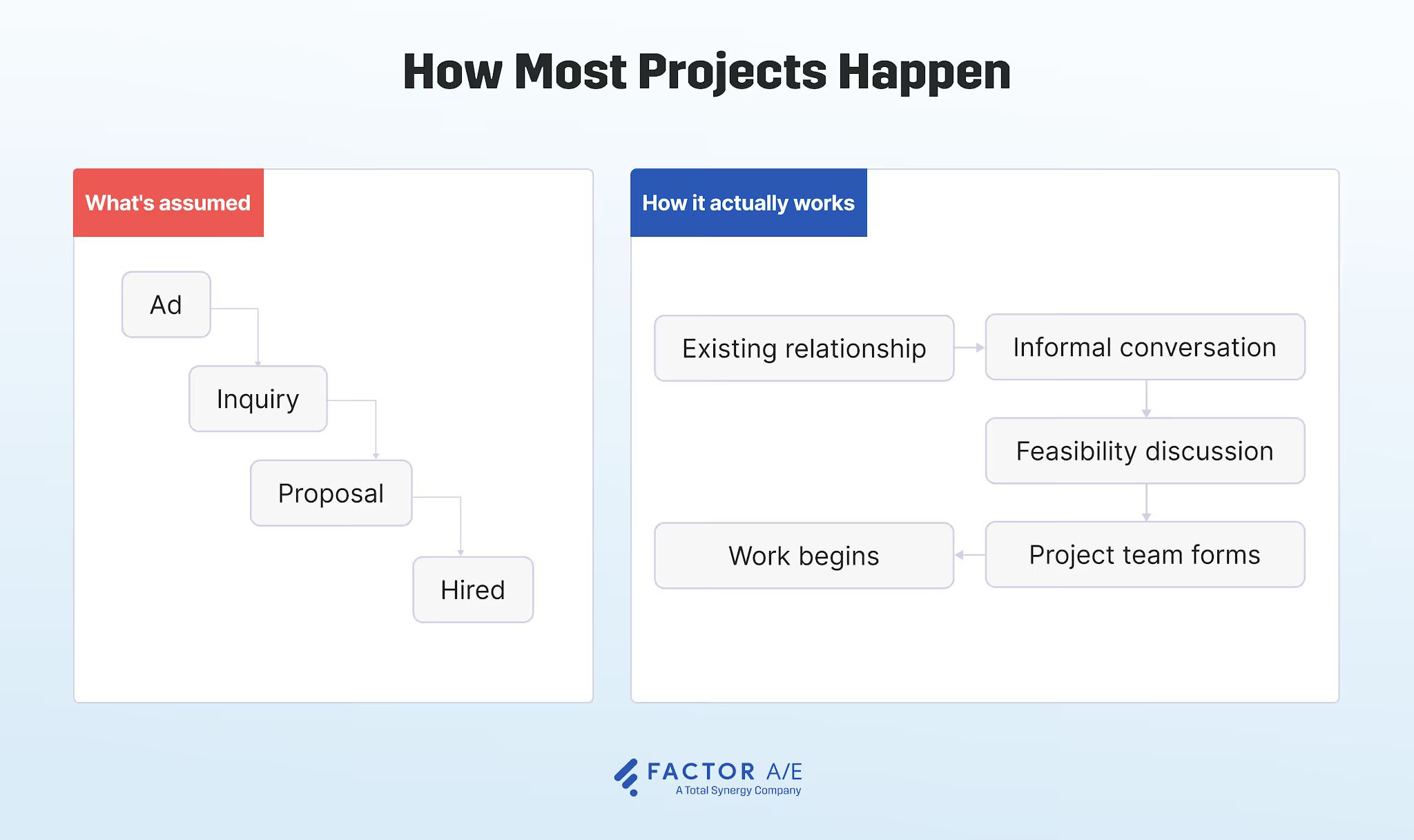
Most clients have a shortlist before they start searching
By the time a developer issues an RFP or a property owner starts asking around, they often already have a few firms in mind. Those names usually come from a contractor, a past collaborator, a colleague, or an earlier planning conversation.
The search that follows is often less about discovery and more about confirming a decision that is already taking shape. If your firm is not in that initial set, advertising usually arrives too late to change the outcome.
Architecture projects are awarded through trust
A commercial development or institutional project involves time, risk, and multiple stakeholders. Clients are not making that decision based solely on a sponsored listing. They are looking for prior experience, relevant project examples, and confidence in the firm's ability to deliver.
A portfolio can support that decision. A conversation can strengthen it. Advertising, by itself, usually cannot create that level of trust.
Paid ads and listings have limited influence
Paid ads, directories, and industry listings can help build visibility and establish baseline credibility. But they rarely determine who gets hired.
One architect on the r/Architects forum described spending $2,000 on magazine ads and getting no inquiries. The reaction from peers was consistent: ads can generate attention, but they do not create the trust that puts a firm on the shortlist in the first place.
That does not make listings useless. They can help prospects verify that your firm is active and legitimate. But they are usually supporting assets, not the reason a client reaches out.
How to decide whether advertising is worth it
Before spending more on advertising, look at how your last five projects started.
- Did the client know your firm before the project was defined?
- Were you introduced through a contractor, consultant, or past client?
- Did the client find you through an active search?
If most of your work starts through relationships or early conversations, advertising will have a limited impact. The bigger opportunity is staying visible within the network where those decisions begin.
If your projects often start with a search, advertising can help. But it will only work if your firm already has the proof a client needs once they land on your site.
How Architecture Firms Actually Win Work
If traditional advertising isn't what drives most architecture client acquisition, what is? In most firms, new work comes from three places: repeat clients, referrals from contractors and consultants, and early involvement in the conversations where projects begin.
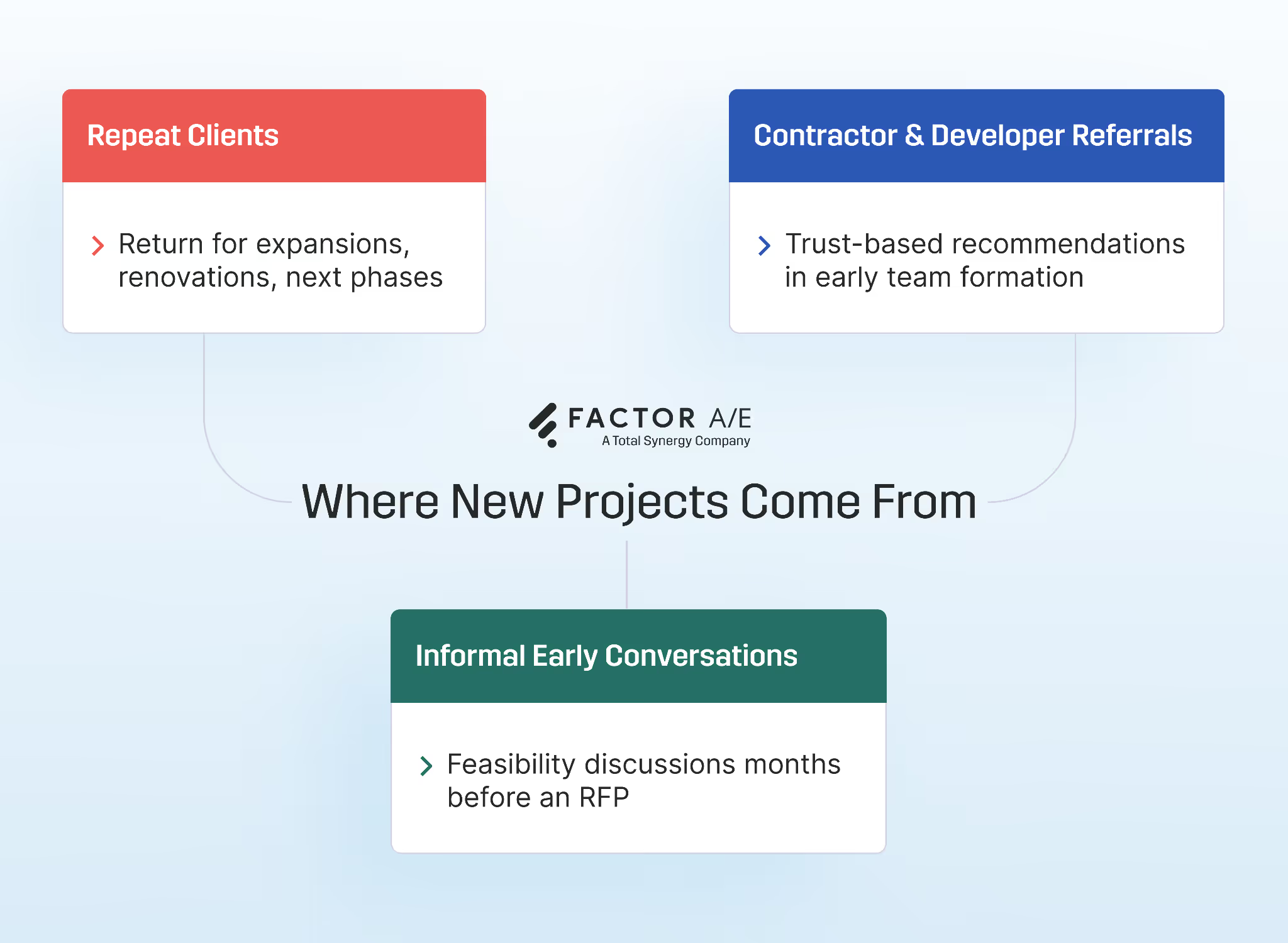
These channels are connected. A past client may return with a new opportunity. A contractor may recommend the firm based on a recent collaboration. An early planning conversation may later turn into a formal procurement process.
Repeat clients are often the most reliable source of new work
Successful engagements often lead to more opportunities. A developer with good experience on one project may bring the same firm into the next project. Institutions work the same way. When a firm delivers well and stays easy to work with, it is more likely to be invited back.
That kind of consistency is usually built by delivering strong work, staying in touch after closeout, and making the process smooth from start to finish.
Contractors and consultants often shape who gets recommended
Contractors influence architect selection more than many principals realize. When an owner starts planning a project, one of the first calls is often to a contractor or consultant they already trust.
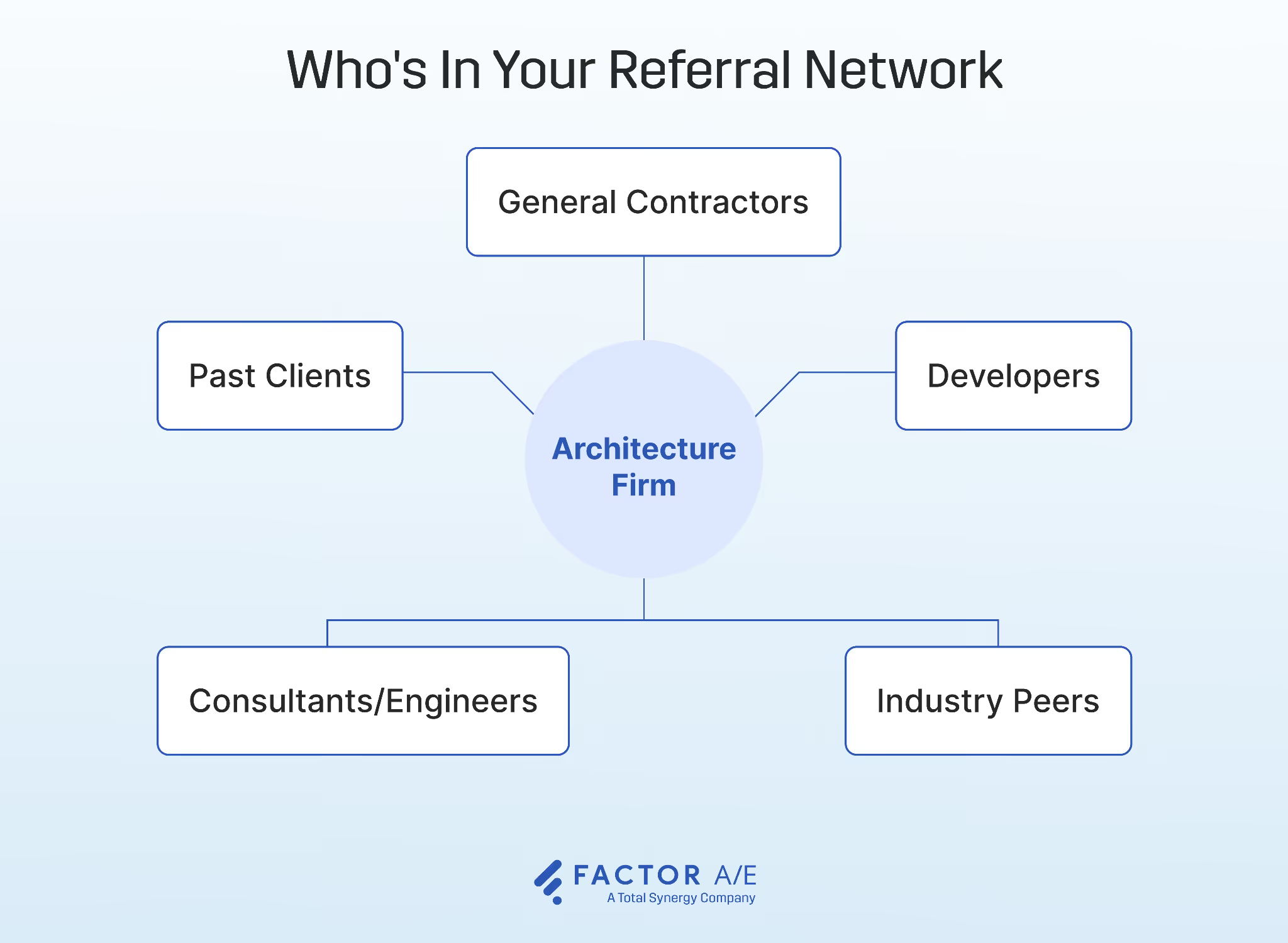
Those recommendations usually go to firms that were responsive, practical, and easy to coordinate with in the field.
Architects who understand construction realities, communicate clearly, and help keep a job moving are more likely to be recommended again. Firms that create friction are less likely to come up in those conversations.
Using Content and SEO to Attract Architecture Clients
Referrals are limited to the network your firm already has. Content and SEO help you reach clients who are still researching and have not yet found an architect.
When a developer is evaluating a project type or a property owner is trying to understand permitting in a specific city, useful content can put your firm in front of them early.
Turn common client questions into useful search content
Before they ever contact an architect, many clients research practical questions on their own. How long does permitting take here? What does adaptive reuse typically cost? What setbacks apply to this site?
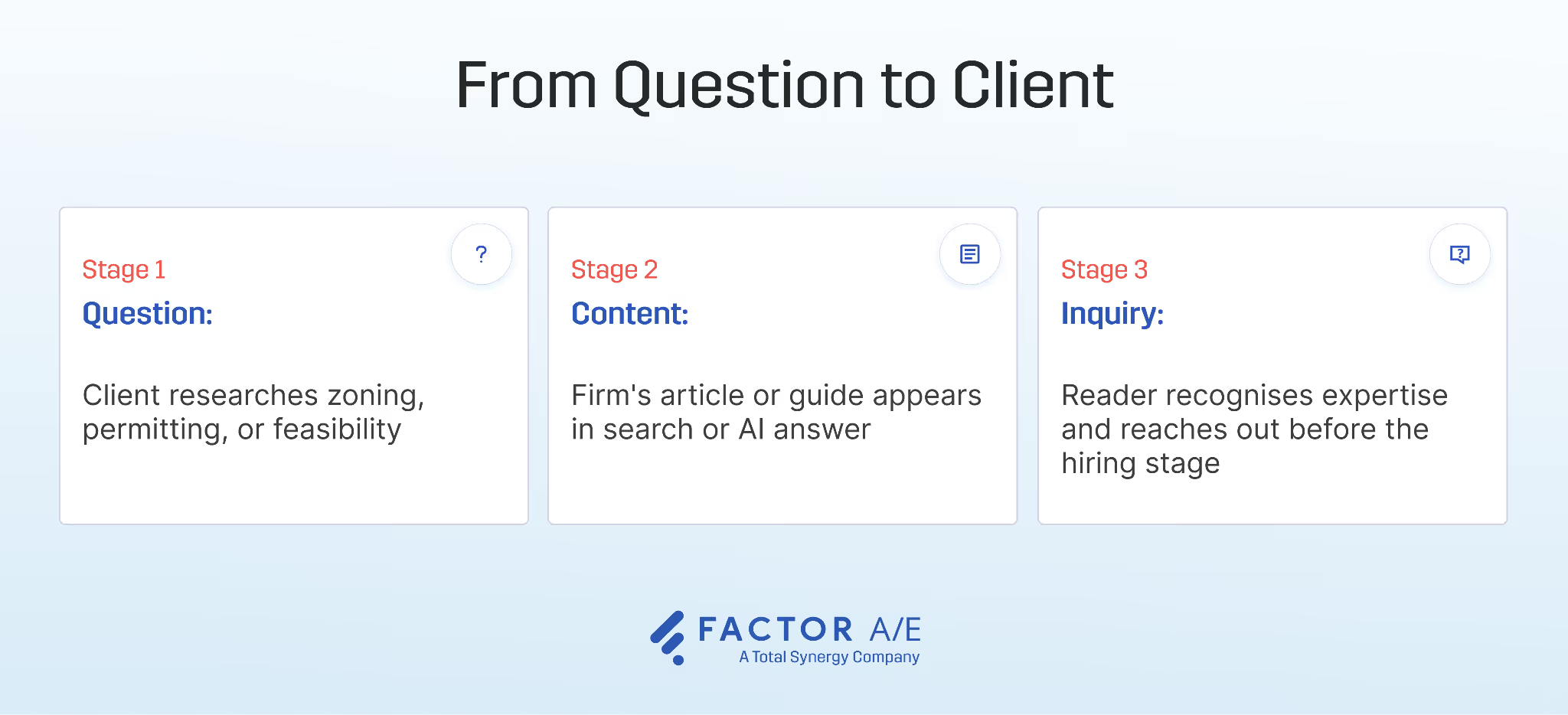
Firms that publish clear, specific answers to those questions are easier to find during that research process. Firms that only publish portfolio pages are harder to discover unless someone already knows their name.
Structure articles for search and AI discovery
The best-performing articles answer a specific question quickly, then support that answer with detail. Clear headings, direct language, and concrete examples make the content easier to scan, rank, and use in AI-generated search results.
A strong article usually states the answer early, then breaks the topic into sections that a reader can follow easily.
Publish location-specific planning and permitting guides
Zoning rules, historic district requirements, and permitting timelines vary widely by city and county. That makes local guidance especially useful.
A detailed article on permitting or planning in a specific market can attract prospects working on real projects in that market. It is also often easier to rank than broad national content.
Offer downloadable resources that capture interest early
A feasibility checklist, pre-design guide, or permitting timeline gives a prospective client something useful before they are ready to talk.
In exchange for access, they share their contact information. That gives your firm a way to stay in touch with someone who found you through a search, not a referral.
Using Social Media to Promote an Architecture Firm
Social media rarely drives immediate inquiries on its own. Its value is reinforcing credibility and reminding existing contacts that your firm is active.
Use social media to show work in progress
Developers, property owners, and institutional clients may follow a firm on LinkedIn or Instagram after they already know it. What they see there shapes how current and capable the practice feels.
Posts are most effective when they show real work happening: site progress, design decisions, sketches, coordination moments, and the team behind the project, not just finished renders.
Stay visible to contractors, clients, and collaborators
A project update can reach past clients, consultants, and contractors simultaneously. That matters because those are often the people who mention a firm in future conversations.
LinkedIn tends to work best for commercial and institutional work. Instagram is often more useful for residential or design-led practices.
Use email to stay top of mind directly
For direct communication, email is often more reliable than social platforms because it does not rely on algorithms.
A short quarterly newsletter is enough for many firms. One completed project, one active project, and one brief update or insight is often all it takes to remind contacts what your firm is working on.
Consistency matters more than volume. A simple, regular update does more than an ambitious newsletter that goes out once and disappears.
How Architecture Firms Maintain a Consistent Marketing Presence
Marketing consistency is an operational issue, not just a discipline issue. If the work is not structured to support it, outreach stops, follow-up slips, and the pipeline become harder to sustain.
Marketing often stops when firms become busy with projects
Project delivery takes priority, which is rational. A client with an active project requires immediate attention, and the permit submission deadline is fixed. A check-in call to a past client is easy to defer.
So the call gets deferred, then forgotten. The newsletter doesn't go out. The blog article stays as a draft. And since marketing was never built into the firm's operations, it’s an additional task that competes with existing projects, which eventually win.
Three months later, the active project wraps up, the pipeline is empty, and the push to be visible again starts from scratch.
When marketing stops, firms gradually disappear from industry conversations
Visibility drops faster than it builds. A contractor who hasn't heard from a firm in six months is already more likely to recommend someone else. A past client who hasn't received a project update in two years doesn't know what the firm is working on now.
Competitors who maintain consistent activity don't necessarily market better. They just don't stop taking part in industry conversations to stay visible.
So the solution is not more effort but fewer focused activities that run without requiring a decision on what to do each time: a referral cadence scheduled quarterly, a weekly newsletter, and a blog-posting workflow that doesn't require the principal to write every article.
Small, consistent actions maintain visibility without overwhelming the team
The firms that maintain a consistent presence are doing less, more reliably.
For example, it could be four contractor check-ins per year, one newsletter per month, and one published article every week. These are manageable for a firm of any size and require someone to own them and a calendar that makes them non-negotiable.
When principals manually track project financials, chase timesheet submissions, and rebuild utilization data from scratch each month, those hours don't go toward relationship maintenance or content.
Firms that cut administrative overhead free up capacity for the work that actually drives revenue growth.
Managing Growth as Your Firm Wins More Projects
Winning more work creates a new challenge: keeping the firm visible while delivery gets more complex. Marketing takes consistent time and attention. But when project tracking, billing, staffing, and reporting are scattered across separate systems, that time gets absorbed by operations.
As firms grow, that operational drag starts to crowd out the work that keeps the pipeline healthy. Follow-up slips. Client communication becomes reactive. The marketing activities described in this article get pushed aside until work slows down again.
That is where a system like Factor fits. Bringing project financials, time tracking, staffing, billing, and subconsultant management into one place reduces the administrative overhead that pulls principals and PMs away from relationship maintenance and business development.
The value is not just cleaner operations but also protected capacity. When the team has better visibility into project performance and fewer manual processes to manage, it becomes easier to maintain the check-ins, updates, and communication habits that drive referrals and keep the firm top of mind.
If growth is making it harder to stay organized and harder to market consistently, the issue is not just marketing. It is the system supporting the firm behind it.
Architecture Firms Grow Through Proximity. Show Up Where it Actually Counts.
The channels covered in this guide are not new. Most architects already know that referrals, contractor relationships, content, and email matter. The gap is not information. It is consistency, and consistency is a structural problem, not a discipline one. Marketing disappears when projects get busy because it was never built into the firm's operations in the first place.
When these systems work, the pipeline fills. More projects mean more moving parts: utilization to track, billing to run accurately, pipeline to forecast, and resource decisions to make with real data rather than gut feel. That's a good problem to have, and it's the problem Factor AE is built to solve.
If your firm is reaching the point where managing growth is becoming as hard as generating it, the Factor AE Process Mapper is a useful starting point for understanding where your operations stand.