



In the dynamic world of space design and construction, resource scheduling stands as a cornerstone of success for both architecture and engineering firms and their projects. It's the art of harmonizing the availability of people, the constraints of time, and the financial realities of budget to achieve optimal outcomes.
But striking this balance isn't always easy. In this blog, we'll delve into the intricacies of resource scheduling, exploring the three common approaches and the delicate dance required to achieve harmony.

1. People-Focused Scheduling: Prioritizing the Human Element
At the heart of people-focused scheduling lies the well-being and productivity of team members. In this approach, you place the most priority on your employees. You ensure that they are not overworked.
Creating a conducive work environment requires a careful equilibrium between employee capacity, utilization, and billing within architecture and engineering firms. It is crucial to recognize that an imbalance, particularly in overworking employees, can result in suboptimal outcomes.
Imagine a bustling project with a team burning the midnight oil. The initial surge in productivity may seem impressive, but it's a recipe for disaster. Burnout, fatigue, and decreased morale will inevitably creep in, hindering progress and potentially jeopardizing the project's success.
Benefits
- Ensures team members are not overworked.
- Fosters a productive and engaged work environment.
Risks
- May miss deadlines by not allocating necessary hours.
- Focus on utilization alone may lead to exceeding budgets in the long run.
2. Calendar-Focused Scheduling: Taming Scope and Timeline
In the realm of calendar-focused scheduling, time reigns supreme. You place top priority on the meeting date. Deadlines, milestones, and work products.
These 3 become your firm's guiding stars. Calendar-focused scheduling ensures that projects stay on track. So your commitments are met. Punctuality and precision are of utmost importance when taking this approach.
The team diligently follows a carefully planned schedule, meeting project milestones promptly. However, the unwavering focus on deadlines may strain team members, potentially leading to fatigue and affecting overall efficiency.
Benefits
- Ensures timely project completion and client satisfaction.
- Optimizes resource allocation and project progression.
Risks
- Potential for team burnout and uneven work distribution.
- Risk of overspending budget by prioritizing speed over efficiency.
3. Budget-Focused Scheduling: Guarding the Financial Lifeline
Profitability takes center stage in budget-focused scheduling. Your prime target is not to exceed the budget. You scrutinize and allocate every resource carefully, while ensuring that each project generates a financial return.
While this approach safeguards the financial health of the project, there's a risk of overlooking the human element. Team members may feel constrained by budget limitations, potentially impacting the innovation and intricacy of architectural solutions.
Benefits
- Avoids difficult conversations with clients about budget overages.
- Maintains profitability by staying under budget.
Risks
- Potential blind spots in team capacity, revenue targets, and scope.
- Risk of underperforming in terms of team utilization.
Balancing All Three is the Ideal Solution
The true magic of resource scheduling lies in striking a harmonious balance between these three approaches. You do not favor one over the others. You understand the nuances of each and apply them strategically.
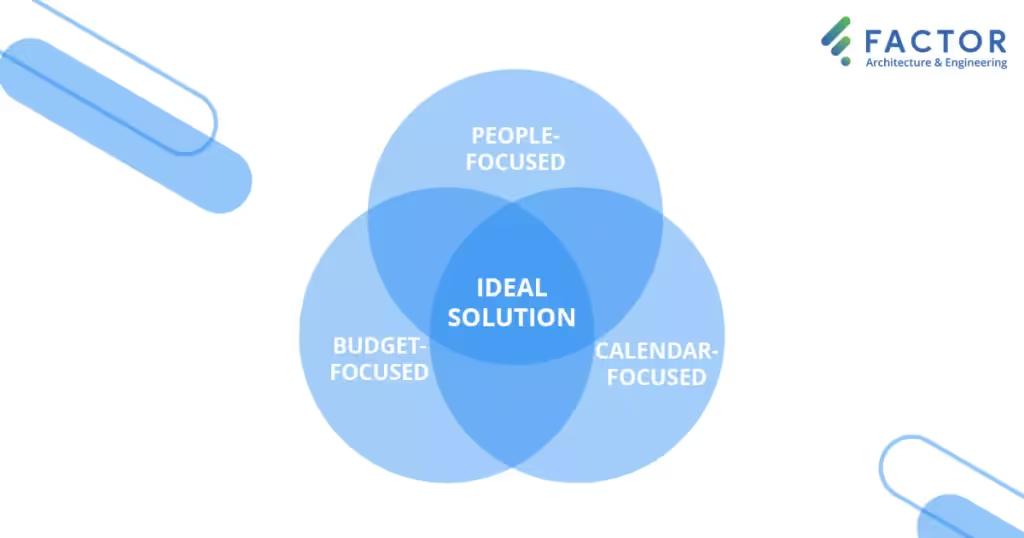
Commencing a new project involves establishing an initial project schedule, not only as a starting point but also with the strategic intent of preventing employee burnout. This acknowledges the dynamic nature of timelines and allows for necessary adjustments. Simultaneously, prudent project management necessitates a keen awareness of budget constraints to ensure a comprehensive approach that addresses timelines, employee capacity, and profitability.
This approach seamlessly integrates all three areas of focus, ensuring the trifecta of success: timely and budget-conscious project completion, alongside the preservation of a manageable workload for employees. Above all, you will cultivate a positive work environment.
Turning Theory Into Action
Achieving harmony in resource scheduling is a continuous journey, requiring adaptability and a willingness to embrace change. Here are some key takeaways to guide you on this path:
- Invest in dedicated resource management tools for effective orchestration.
- Provide training to staff on resource scheduling best practices.
- Establish clear roles and responsibilities to avoid confusion.
- Create a culture of communication and collaboration for alignment.
- Regularly review and refine your scheduling approach to adapt to changing priorities.
Resource scheduling is not a rigid formula; it's a dynamic puzzle that must allow for flexibility within its many moving parts. By bringing the most important aspects of each approach together, architecture and engineering firms can find a balance that elevates resource scheduling beyond a mere process into a powerful tool for ensuring project success.